
Steel Framed Gates Seattle & Bellevue: Stronger, Longer Lasting
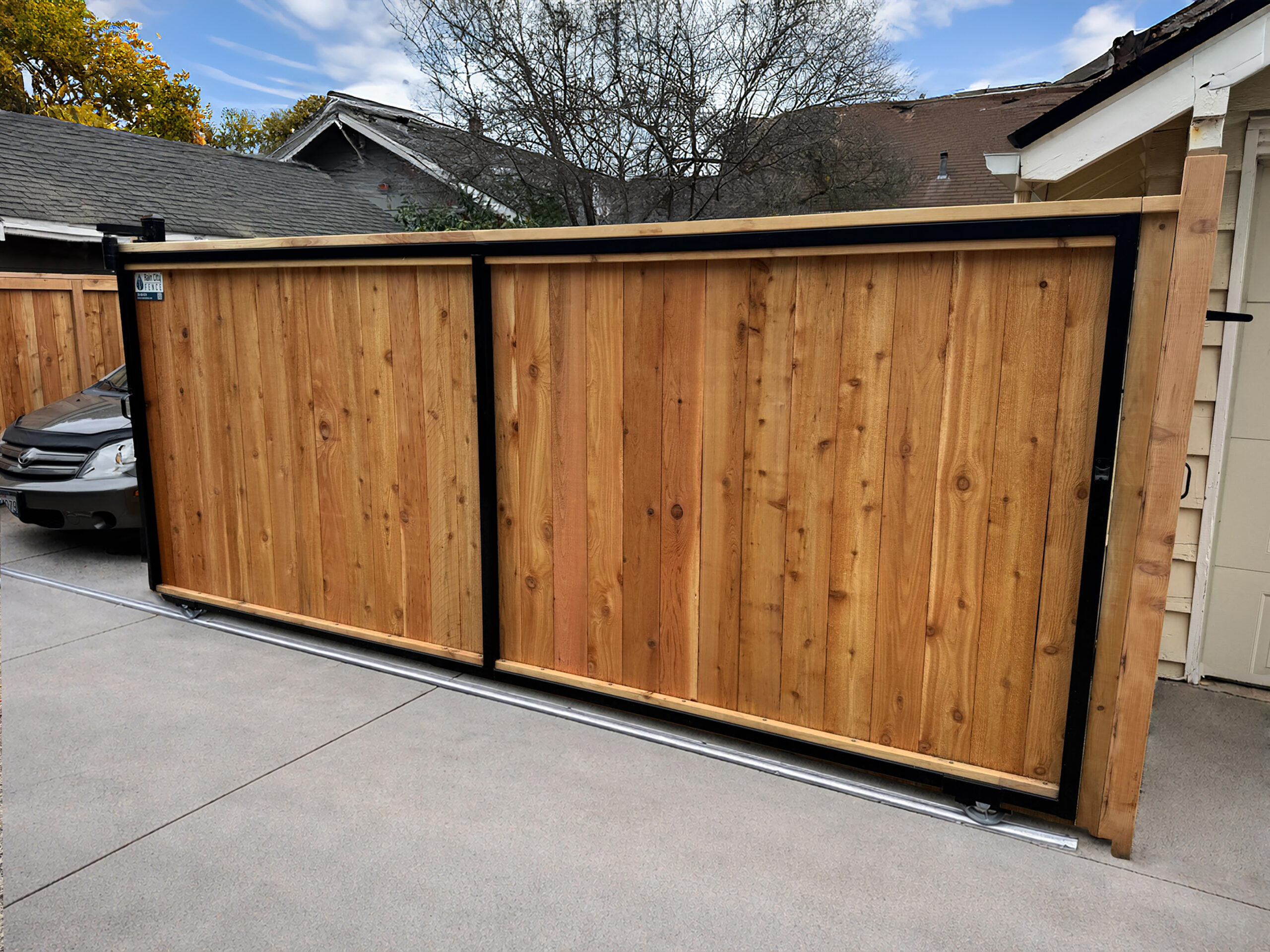
Steel Framed Gates: The Strongest, Long-Lasting Gate Option for Seattle & Bellevue Homes
When it comes to fence gates, most homeowners focus on how the gate looks—but the real difference is in how it’s built.
At Rain City Fence, we’ve seen firsthand how traditional wood gates fail over time. Sagging, warping, and misalignment are some of the most common issues, especially in the damp climate of Seattle and the Eastside.
That’s why steel framed gates have become one of the most reliable and long-lasting upgrades you can make to your fence.
In this guide, we’ll break down what steel framed gates are, why they outperform standard wood gates, and when they make the most sense for your property.
What Are Steel Framed Gates?
Steel framed gates combine a galvanized steel frame with a cedar gate design that complements the rest of your fence.
There are two common styles of steel framed gates:
- Hidden frame gates, where the steel sits behind the cedar so the gate has more of an all-wood appearance
- Visible frame gates, where the steel is exposed and frames the cedar gate for a more modern look
This design allows the steel to provide the structural strength while the cedar maintains the natural look homeowners want.
The result is a gate that offers the beauty of cedar with the durability and support of steel.
Why Traditional Wood Gates Fail
Standard wood gates rely entirely on wood for strength. Over time, especially in the Pacific Northwest, that becomes a problem.
Moisture, temperature changes, and daily use all contribute to:
- Sagging hinges
- Warped frames
- Gates dragging on the ground
- Difficulty opening and closing
Even well-built wood gates will eventually need adjustments or replacement.
This is especially true for wider openings like driveway gates or large side yard access points.
Why Steel Framed Gates Are a Better Option
1. Built for Strength and Stability
Steel framed gates offer a level of strength and durability that traditional cedar gates alone can’t match.
Unlike wood, steel won’t warp, twist, or sag over time. This means your gate stays square, aligned, and easy to operate—something especially important for homeowners in Seattle and across the Eastside dealing with year-round moisture.
2. Ideal for Driveway Gates and Wide Openings
If you’re installing a driveway gate in Seattle, Bellevue, or surrounding areas, a steel frame is one of the most important upgrades you can make.
Wood-only gates over 4 to 5 feet wide are far more likely to sag or fail. Steel framed gates are built to handle:
- Double driveway gates
- Large single gates
- High-traffic entry points
For many homeowners, this makes steel framed gates the best long-term solution for driveway access.
3. Added Security for Your Property
Steel framed gates provide increased security compared to standard wood gates.
The reinforced steel frame makes the gate more resistant to forced entry, structural failure, and long-term wear. This is especially valuable for:
- Driveway gates
- Side yard access points
- Homes looking for added privacy and protection
For homeowners in Seattle and Bellevue, a steel framed gate is not just a design upgrade—it’s a functional security improvement.
4. Designed for the Seattle Climate
As a local fence builder serving Seattle, Bellevue, Mercer Island, and the greater Eastside, we know how important it is to build for the climate.
Steel framed gates, when built with galvanized steel, are designed to withstand moisture and resist corrosion—helping your gate perform better over time in the Pacific Northwest.
5. Long Term Value
While steel framed gates may have a higher upfront cost than a standard cedar gate, they typically require fewer repairs and less maintenance over time.
This makes them a more cost-effective investment for homeowners looking for a long-lasting, low-maintenance fence and gate solution in Seattle and the Eastside.
Steel Framed Gates and Steel Posts
At Rain City Fence, steel framed gates are installed with steel posts to ensure long-term performance and structural integrity.
While we use Post-on-Pipe for our fence construction, steel framed gates require a different level of support—especially for driveway gates and wider openings.
Here’s why steel posts are the best option for steel framed gates:
- The steel frame prevents the gate from sagging or warping
- Steel posts provide the strength needed to support the weight and movement of a steel framed gate
- Both components work together to resist shifting, wear, and long-term failure
Post-on-Pipe is an excellent solution for fence lines, but when it comes to steel framed gates, steel posts provide the stability needed to properly support the added weight and structure of the gate.
If you want to learn more about how we build our fence lines using Post-on-Pipe, you can read more here:
👉 https://www.raincityfence.com/post-on-pipe
When paired together, you’re not just upgrading your gate—you’re building a system designed to last.
Do Steel Framed Gates Require a Permit?
In most cases, a standard walk-through gate does not require a permit in Seattle or Bellevue.
However, automatic or motorized driveway gates typically do require permits due to electrical work, structural installation, and safety regulations.
You may need a permit if:
- You are installing an automatic driveway gate (electrical permit required)
- The gate requires structural supports, footings, or steel posts
- The gate crosses a driveway, shared access, or easement
- The installation impacts emergency vehicle access
Depending on the project, permits may include:
- Electrical permits for power and low-voltage systems
- Building or structural permits for posts and gate installation
- Fire department approval for emergency access compliance
Permit requirements can vary between Seattle, Bellevue, and other Eastside cities, so it’s important to confirm before starting your project.
You can review local guidelines here:
- Seattle Department of Construction & Inspections: https://www.seattle.gov/sdci
- City of Bellevue Permits & Development: https://bellevuewa.gov
If you’re planning an automatic driveway gate, working with a local fence builder familiar with Seattle and Eastside regulations can help ensure your project is done correctly and up to code.
When Should You Choose a Steel Framed Gate?
Steel framed gates are the best choice when long-term performance, durability, and security matter.
You should consider a steel framed gate if:
- Your gate opening is wider than 4 to 5 feet
- You’re installing a driveway gate
- You want a low-maintenance, long-lasting solution
- You’re concerned about sagging or gate failure over time
- You want added security for your property
For many homeowners in Seattle, Bellevue, and across the Eastside, upgrading to a steel framed gate is one of the most impactful ways to improve both the function and longevity of their fence.
While a traditional cedar gate may work for smaller openings, steel framed gates provide the strength and reliability needed for higher-use areas and larger spans.
If you’re investing in a new fence or replacing an existing gate, choosing a steel framed option can help ensure your gate continues to perform well for years to come.
Upgrade to a Steel Framed Gate That Lasts
If you’re planning a new fence or replacing an existing gate, choosing a steel framed gate is one of the best ways to improve durability, security, and long-term performance.
At Rain City Fence, we specialize in building steel framed cedar gates designed for the Seattle and Eastside climate. Whether you’re installing a driveway gate or upgrading a side yard gate, our team can help you choose the right solution for your property.
👉 Request a free estimate: https://www.raincityfence.com/contact
continue reading
Related Posts

Strong wind is one of the most common — and […]

If you’re considering a new fence in Seattle or Eastside […]

Most people think about new fences once the sun comes […]